Invisible Role of Nations in the US Academic Field
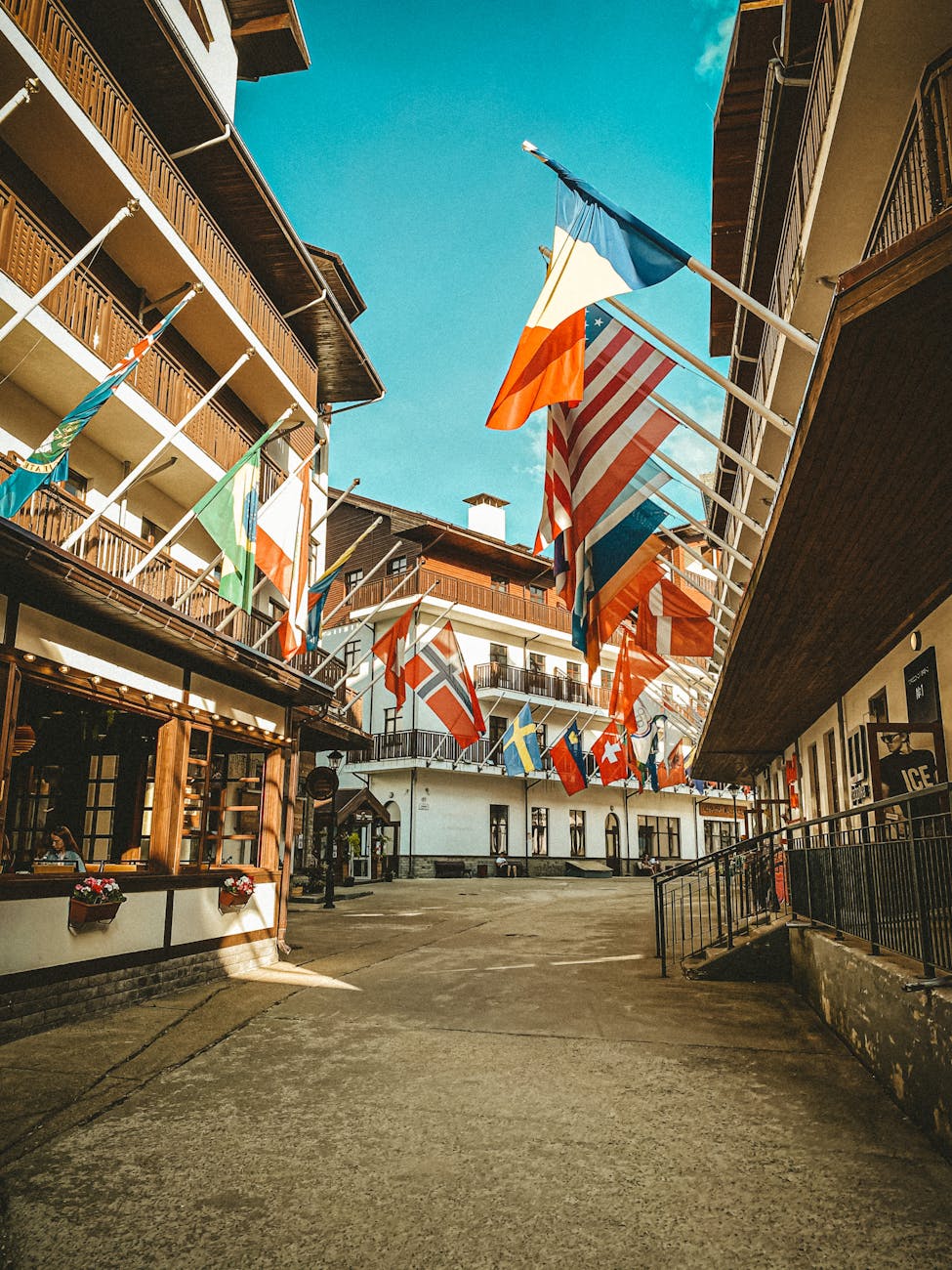
At Stanford, I collaborate with the Stanford Next Asia Policy Lab (SNAPL) at the Freeman Spogli Institute (FSI) to initiate this transnational lab. In this project, we examine two key questions: (1) How do migrant scholars establish transnational linkages across borders? (2) What roles do states play in facilitating this transnational process? We compiled a network dataset of transnational migrants and their collaborators, as well as conducted interviews to capture the brokerage activities these migrants facilitate.
Working Paper Series
“Building Transnational Pipelines: How Korean Migrant Scholars Facilitate Reciprocal Exchanges of Knowledge and Resources” with Minyoung An and Gi-Wook Shin (Manuscript Available)
“Studying Up in a Global Era: Methodological Transnationalism, Code-Switching, and Team Positionalities in Elite Research” with Gi-Wook Shin (Data Analysis)
The Shape of Sieves: How Universities Screen and Why Variation Matters
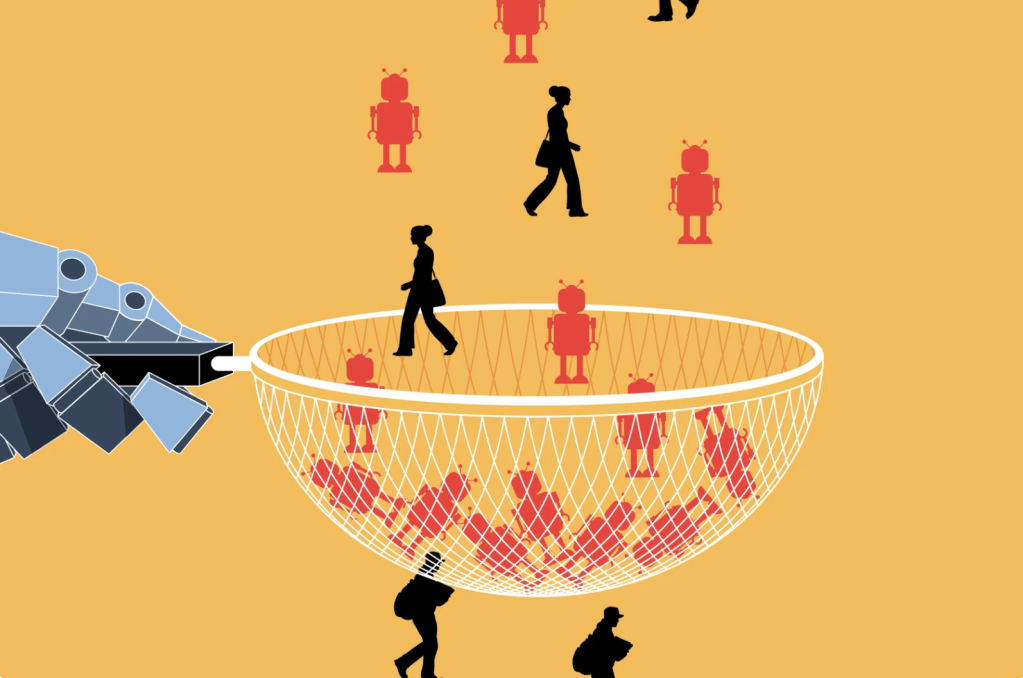
At UW-Madison, I served as a student-PI leading an investigation into admission criteria across 69 universities. I worked with three undergraduate research assistants to compile an institutional dataset in Taiwan, examining the screening criteria of 2162 university-major pairs to understand how universities screen applicants and define their candidate pools. We refer to this process as the “shape of sieves” to highlight the competitive dynamics among universities.
Working Paper Series
“The Shape of Sieves: How Network Ecology Structures Competitive Screening in an Organizational Field” with Hsing-Cheng Chen, and Hsuan-Wei Wayne Lee (Manuscript Available)
First Generation’s Pathways in Elite College In the United States

Working Paper Series
“Career Funnels or Leaky Pipelines: Why First-Gen Students Do Not Activate Resources from Elite Colleges in Workforce Transitions?” with Elizabeth Lee and Janel Benson (Manuscript Available)
 Ruo-Fan Liu